The anatomy of steel: why the Z275 coating is the line between a roof for 10 and a roof for 50 years
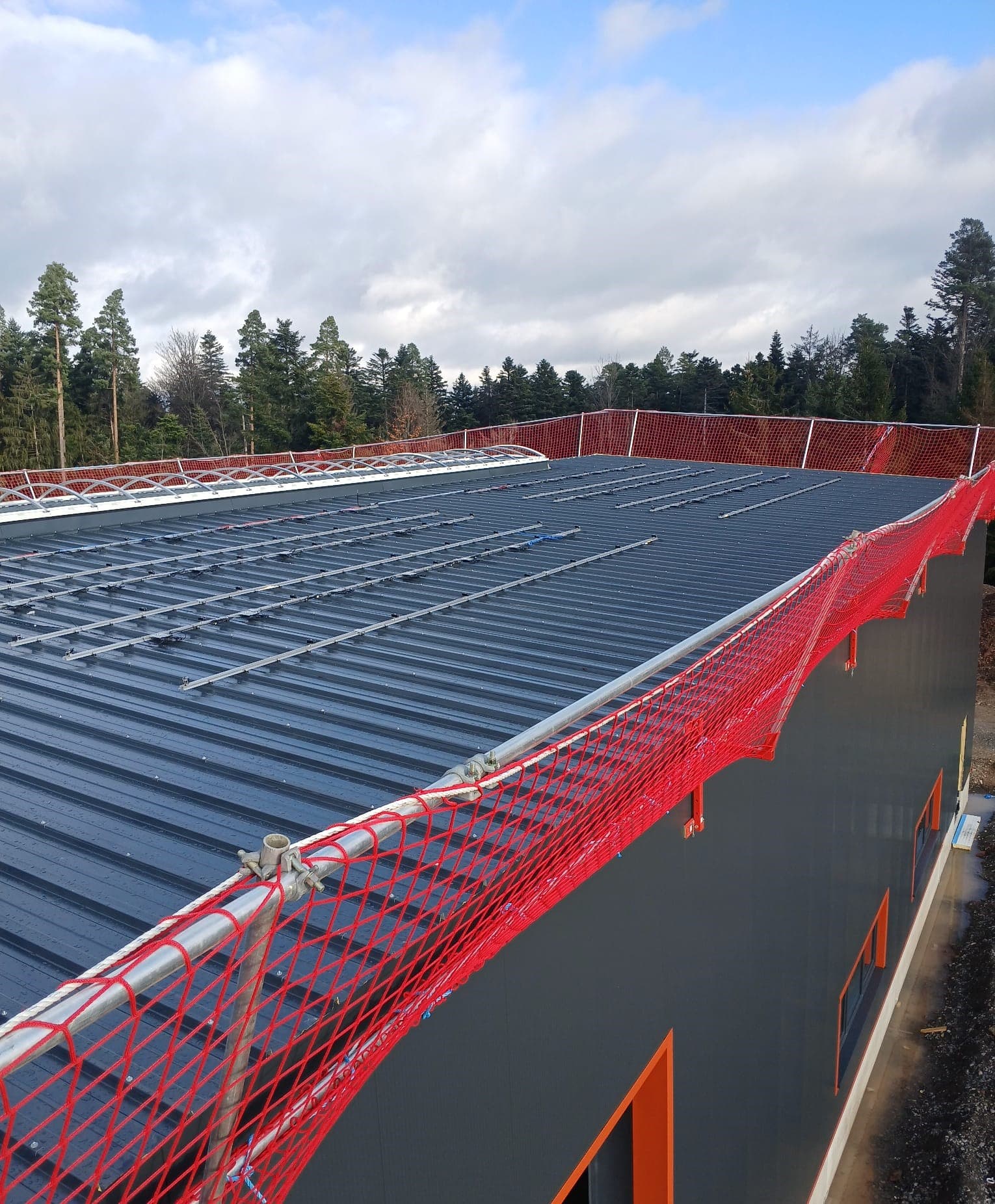
Zinc is the silent hero of every steel roof. At first glance all the metal roofs on the market look fairly similar — attractively coloured, smooth and shiny when they leave the factory. But what separates a cheap, temporary covering bought in a quick sale from a roof that will last for generations without the ‘notorious red rust’ appearing is invisible to the naked eye on the day of purchase. The secret of corrosion resistance lies in the microscopic mass of the zinc applied and in the layered protective technology.
When we speak about the European industrial standards of construction (EN 10346), the designation we hear most often is Z275. What exactly does that figure mean? The Z275 designation defines the total mass of protective zinc applied to both sides of the steel coil as 275 grams per square metre (g/m²). In the engineering world this represents the golden mean and the absolute minimum quality for roof and wall sheet profiles exposed to direct, aggressive outdoor weather (UV radiation, hail, acid rain, freeze cycles).
The layered morphology of the composite
Technically, your roof sheet is not a piece of painted metal at all. It is a highly sophisticated composite material created in the continuous processes of hot-dip galvanising (HDG) and continuous coil coating on the longest production lines in the world. When you cut through a top-quality Z275 steel, you are looking at nine microscopic levels of protection.
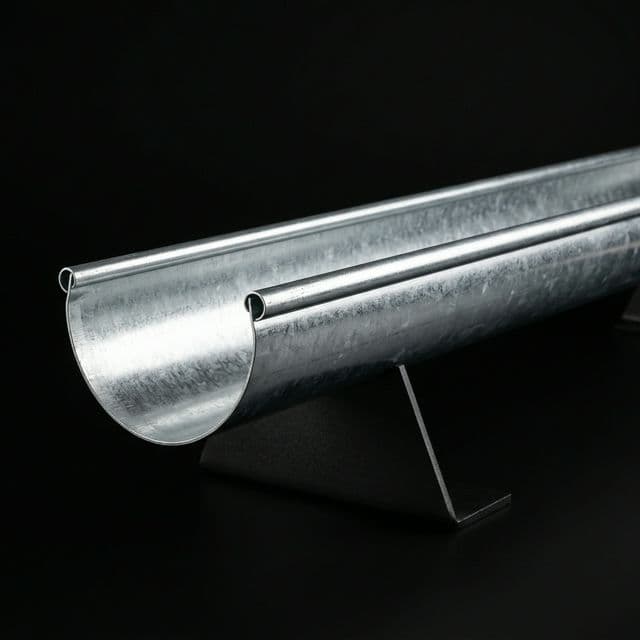
Half-Round Gutter Developed Width 330
An instructive example of the Z275 standard in practice. Hundreds of litres of aggressive rainfall pass through our gutter pipes every day. Zero leaks, zero rust. Invest in a rainwater system that outlives you.
The physics of “sacrifice”: cathodic protection
Zinc does not cover steel like a passive carpet. It acts proactively! Zinc protects the steel core by what is called cathodic protection. If installation and rough handling of tools cause severe physical damage to the sheet (a scratch that penetrates right through the nominal 25 microns of the paint system — the primer and the top coat — down to “white” steel), a chemical miracle takes place.
The zinc in the vicinity of the scratch begins to sacrifice itself – it reacts with the moisture in the air and creates insoluble carbonates that automatically and literally “heal” (seal) the crack by cutting off the contact between the steel and the oxygen. The thicker the layer of zinc metal applied (for example a high 275 grams as against the meagre thin Z100 layers that discounters usually deal in), the more years the zinc will be able to — and have the mass to — “sacrifice” its own electrons before the process comes to a halt and leaves the steel to the red oxidation (rust).
The market “Z100” standard
Thin-layer commercial zinc of the kind we find in “sale profiles”. After four to six hundred hours of exposure to salt chemicals it boils over. Fast rust spoils the appearance and eats through the sheet.
Class: Z275 Premium
A thick cathodic metal layer. Even on a damaged edge it forms a galvanic shield. Depending on the aggressiveness of the industry, resistant for over a decade. It returns value when the property is sold.
How to detect the discount frauds?
A visual inspection and scratching the sheet with a key will tell you nothing about the difference between Z100 and Z275 sheet. The only tool that protects consumers is the official EN certificate of the steelworks and of the factory. Ask for the declaration!
- Checking the nominal thickness: if the sheet says “0.50mm tolerance +/-”, be careful – cheap brands squeeze the actual core of thin steel down to 0.43mm and add the polyester paint and the primer into a false “0.50mm”. A genuine sheet of 0.50mm gauge means exclusively and only the core (point 6 of our list above!).
- A written declaration of the zinc: the invoice must be accompanied by the EN Declaration of Performance (DoP), which unambiguously declares Z225, Z275 or even Z350 (for extreme barns and marine atmospheres).
The “Doctor’s” conclusion: when you ask for a quotation it is wise to ignore the first page of the invoice and the RAL colour you are dreaming of, and to turn the paper over in search of the chemical signature Z275. The colour sells the sheet, but only the zinc defends your house from destruction by the rainstorms of the next half-century. Modeco works exclusively on first-class engineering stability in the 0.50mm standard, and there is no commercial manoeuvre that can wash away for us the quality of a piece of corrugated aluminium-zinc profile.
Z275 is the protection of thin roof sheet. With a steel structure the story is a different one — there the protection is specified by corrosivity category and durability class, with a coating thickness that is measured and accepted:corrosion protection to ISO 12944. On the layer that goes over the zinc and really is visible there is more in thecomparison of top coats.
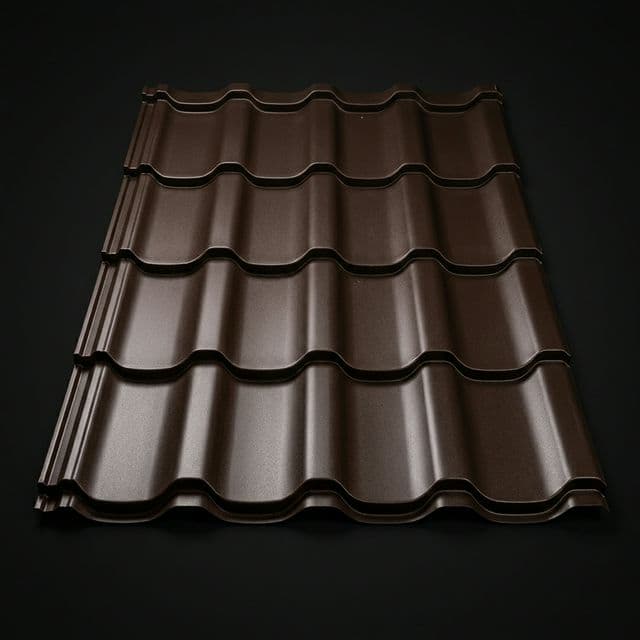
Tile-Effect Roof Sheet RAL 7016/9005
Exclusive Z275 protection pressed into a tile profile. It completely removes the look of a home growing old, with 50% less load in kilograms on the beams.
Frequently asked questions
Z275 means 275 grams of zinc per square metre, on both sides together, to the standard EN 10346. That is the usual level of protection for roof sheets.
English version of the Croatian original: Anatomija Čelika: Zašto je Z275 premaz granica između krova za 10 i 50 godina?.